



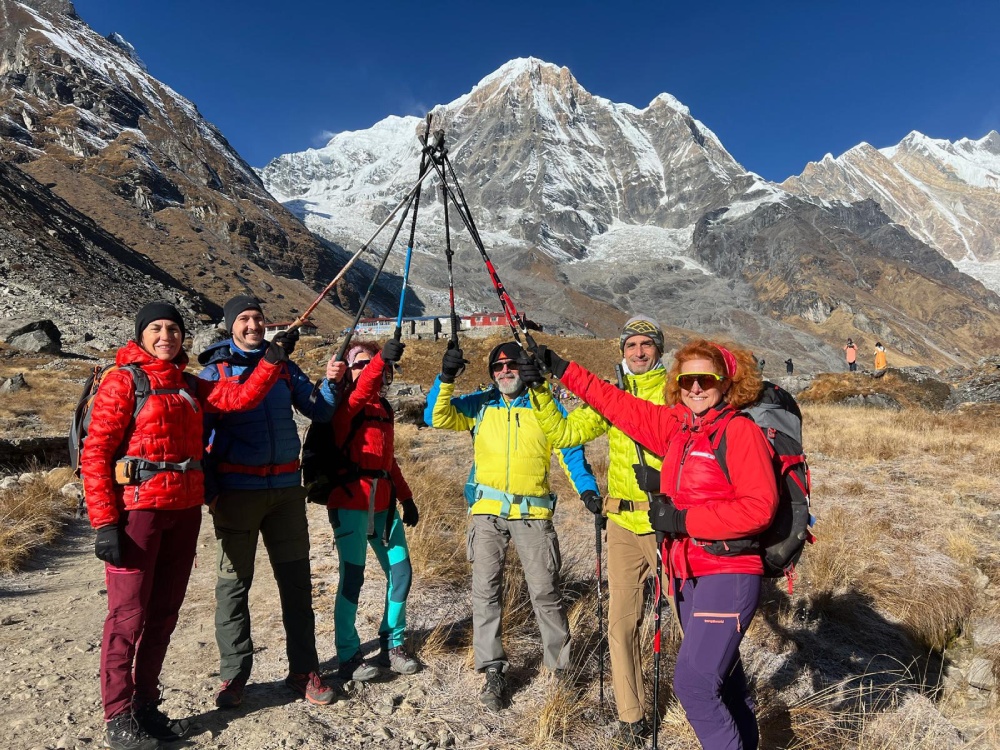
Annapurna Base Camp Trek is one of Nepal’s classic treks. Thus, what it had to offer is some of the most beautiful mountain scenery on earth. With spruce-painted ridges, panoramic viewpoints, and a number of the best signature hikintrails g trails the area can throw at you, it’s no wonder the Annapurna Base Camp (4,130m) pulls in about 500,000 trekkers every year.
But then, like with any trek to high altitude, the Annapurna Base Camp Trek is neither without its challenges nor dangers. Preparation and understanding what to expect are the secrets to creating excursion enjoyable, safe, and remarkable excursion. Whether you want to hike alone or with a few friends, below are 10 safety tips that you must keep in mind for the Annapurna Sanctuary Trek to have the best trek of your life; with this is also a trek from which you will come back home unattended.
Acclimatization will Prevent Altitude Sickness.
Altitude illness is likewise one of the most common threats for trekkers heading up to Annapurna Base Camp. The higher you ascend above 2,500 meters, the more time your body calls for to acclimatize to the decreased levels of oxygen in the surroundings. It happens to pretty much all people: you’re adequate one minute, and the following component, then you understand, you’ve been given a headache, feelings of dizziness or nausea, or shortness of breath.
To reduce the danger of AMS (Acute Mountain Sickness) whilst ascending from lower elevations. Avoid alcohol and drinks. Plenty of water and drinks. Add a day of acclimatization if necessary, and always remember the golden rule: “climb high, sleep low.” If symptoms worsen, descend immediately.
Choose Your Season Trekking season in the Himalayas is very important.
The best season for the ABC Trek is the spring season of Nepal (March to May) and the autumn season of Nepal (September to November) for the trek in Nepal. These are the “bluebirds,” times of warm temps, good weather, ripe for some mountain touring. Avoid going at some point of the monsoon (June to August), for the duration of which time rails can be slippery and landslides are common. During wintry weather (December through February), a portion of the higher part of the trail is covered with snow and ice, and situations can be dangerous until you’re nicely equipped.
Hire a Guide or Join a Tour Group.
It’s miles feasible to hike the Annapurna Base Camp Trek without a guide (a licence is not a need to!), but also with a manual who will make sure your protection. Courses teach the trail and keep a watch on your well-being; they may be valuable in an emergency. They’re also fluent in local weather, trail conditions, and safe, effective acclimatization.
There’s also the ability for a driver not to be involved in accidents, in the more remote areas, such as Deurali, to ABC slides/altitude take precedence.
Carry the Right Gear and Layers
The Himalayas’ weather is fickle — even during high season. A few days, brilliant daylight can deliver way to a freezing, windy afternoon. Layer up consistently with the difference in temperature you expect: wicking base layer, insulating layer, and weatherproof outer shell.
Then there’s the stuff you received’t want to forget for that sanatorium bag: a warm hat, gloves, thermal socks, and a down jacket. For such tough trails, you require strong trekking shoes with ankle support. Despite the season, nights at Machapuchare Base Camp and even ABC can get cold—you’re going to want a -10 or -20 degree sleeping bag.
Stay Hydrated and Eat WellYouu will not suffer from altitude illness, as at high elevations it might cause dehydration and fatigue. cConsumefrom three to 4 liters of water in line with day. Too much alcohol and caffeine ought to additionally be eliminated as they could dehydrate.
Treat Yourself To Delicious Foods During Annapurna Base Camp Trekking. Local dishes like dal bhat are so calorie and nutrient-dense. Your body requires more calories at altitude, so don’t skimp — not least at breakfast.
Read the Signs of Weather Changes
It can be very rapid, and visibility can drop within a few minutes in the mountains. And don’t forget to check the weather report for the zone to go trekking. If the clouds are coming in fast, or if the wind is roaring in the open, stop and think it over.
If you encounter snow above Deurali, the hike to ABC can be treacherous, especially in fall and spring. If the weather is uncooperative, have a loose plan and a way to escape to safety.
Avoid Getting Hit By The Avalanche and Landslide
portions of the Annapurna Sanctuary Trek are under avalanches and landslides, in particular after rain or snow. Always follow the official signs, pay attention to your guide, and everywhere in these areas, never leave the main trails.
Start early in the day — as weather often deteriorates in the afternoon — and try to make it through zones of risk by noon.
Bring a basic first-aid kit and medicine.
A private medical kit is a must on any trek. That should extend to items like: adhesive bandages, blister plasters, antiseptic wipes, painkillers, altitude sickness tablets (some people prefer to carry Diamox), and any personal medications you’re likely to need.
Most teahouses are in the middle of nowhere, far from hospitals. It’s how previous planning will be the antecedent of dealing with small problems before they become larger problems.
Keep Electronics and Essentials Dry
You’ll also be glad to have extra batteries and a power bank handy — electricity is in short supply, and charging can get pricey as you get higher.
So much more of a hassle, particularly for those middle-of-the-night tent-toilet runs, or starting in the predawn hours. Always bring extra batteries.
Purchase insurance with Emergency Evacuation coverage. It’s remarkable to have coverage with journey coverage; however, if you are caught, you’ll want the safety of an emergency evacuation alternative.
In spite of the pleasant arrangements, accidents, contamination, or altitude illness can occur. Buy tour coverage that includes high-altitude hiking, up to 4,500 meters or greater, and emergency helicopter evacuation.
Without coverage, a helicopter rescue from the base camp at Annapurna can cost hundreds of dollars. Usually, take with you a bodily and virtual replica of your coverage documents.
Final Thoughts
The ABC trek is a journey that brings you deep into the Himalayas! Although the trails were harsh, you will never miss the beautiful view, the native style of lodges/teahouses, and the warm hospitality, which makes it still one of the treks that have not yet vanished.]
But nature deserves your respect. The above simple safety tips will make your journey not only exciting, but safe, well-organized. Trekking in Nepal, from keeping an eye on altitude to prepping for the weather and being smart with your planning, safety is the foundation of a good trek. Your Annapurna Base Camp trek is out there. Be responsible, smart, hiking, and let the mountains mark your spirit — safely and for the right reasons.
