












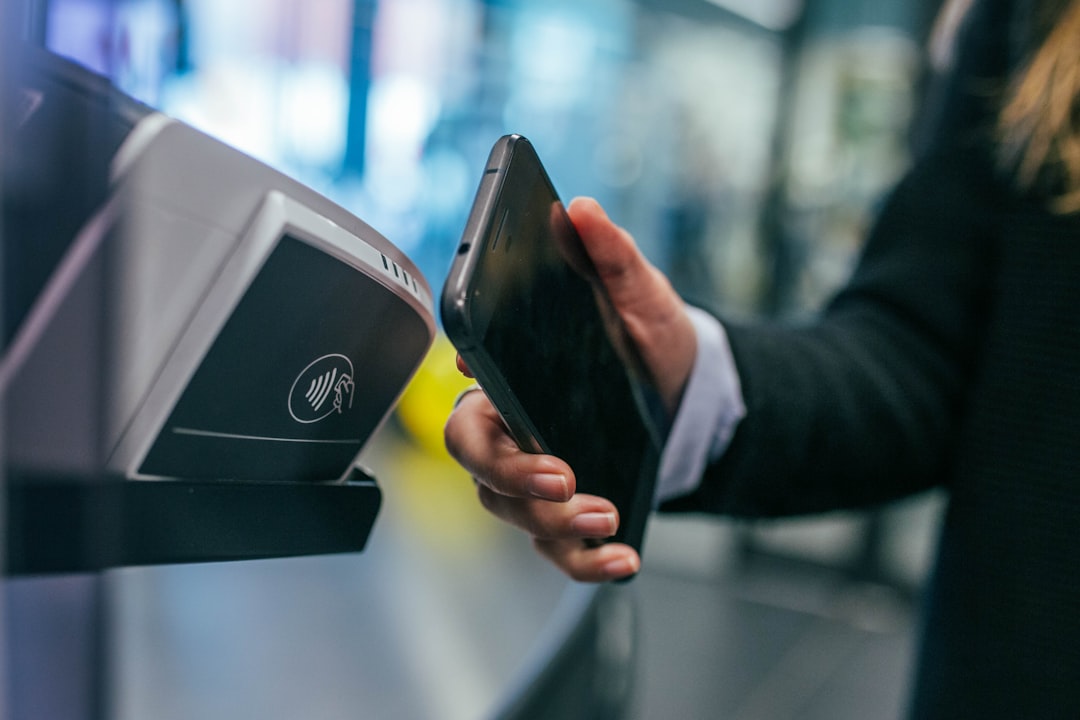
What makes modern digital payments so accessible and widely adopted? The answer increasingly lies in simple, fast, and interconnected payment infrastructure. In India, Indian UPI (印度upi) has become an important part of everyday financial activity, supporting transactions across retail purchases, bill payments, online services, and person-to-person transfers. Its growing role reflects a broader shift toward convenient digital payment methods that can be used through familiar mobile devices.
Jump To
- What Is Driving the Growth of UPI?
- Why Do Consumers Prefer Digital Payment Methods?
- How Has UPI Influenced Small Businesses?
- What Role Does UPI Play in Financial Inclusion?
- How Is Security Addressed in Digital Payments?
- What Does the Future of UPI Look Like?
- Why Is UPI Important for India’s Digital Economy?
What Is Driving the Growth of UPI?
The expansion of UPI is closely connected with the increasing use of smartphones and digital banking services. Instead of depending on traditional payment processes, users can initiate transactions through connected applications and approved banking channels. This approach has made digital payments easier to understand for people with different levels of financial and technological experience.
Transaction data also demonstrates the scale of this transformation. UPI has consistently processed billions of transactions in recent years, showing how deeply digital payments have become integrated into daily economic activity. The system is used for both routine purchases and larger commercial interactions, creating a broad digital payment ecosystem.
Why Do Consumers Prefer Digital Payment Methods?
Convenience is one of the strongest reasons behind digital payment adoption. Users can make payments without carrying physical cash or relying on lengthy procedures. Transactions can generally be initiated from a mobile device, making the payment experience suitable for shopping, transportation, food services, utilities, and many other everyday activities.
Another important factor is speed. Digital transactions can move through connected banking systems rapidly, helping users complete payments without unnecessary delays. For businesses, faster payment confirmation can also support smoother customer service and more efficient transaction management.
How Has UPI Influenced Small Businesses?
Small businesses have benefited significantly from the expansion of digital payments. Local stores, independent service providers, professionals, and other merchants can accept electronic payments without building complicated payment infrastructure. This has helped digital transactions reach areas and businesses that previously depended heavily on cash.
Payment records can also make financial activity easier to organize. When transactions are digitally documented, businesses may find it simpler to review incoming payments, maintain records, and understand customer purchasing patterns. These capabilities can contribute to better operational planning and financial organization.
What Role Does UPI Play in Financial Inclusion?
Digital payment infrastructure can support financial inclusion by connecting more individuals with formal financial services. Users who have access to a bank account and a compatible mobile device can participate in electronic transactions without needing extensive technical knowledge.
This accessibility is particularly important as digital financial services continue expanding beyond major urban centers. Wider adoption can encourage individuals and businesses to become more comfortable with electronic banking, payment records, and other technology-enabled financial services.
How Is Security Addressed in Digital Payments?
Security remains an essential part of any digital payment system. UPI transactions generally incorporate authentication processes designed to verify the person initiating a payment. Users should still protect their payment credentials, avoid sharing sensitive authentication information, and carefully review transaction requests before approving them.
Public awareness is equally important. Understanding common fraud techniques, checking payment details, and using trusted applications can help users make safer digital transactions. As adoption grows, responsible payment behavior becomes increasingly important for maintaining confidence in the system.
What Does the Future of UPI Look Like?
The future of digital payments is likely to involve greater integration across financial services, commerce, and everyday consumer experiences. Continued improvements in payment technology may make transactions more seamless while supporting new use cases for individuals and businesses.
The growing transaction volume recorded across India’s digital payment ecosystem indicates that electronic payments are no longer simply an alternative to cash. They have become a central component of modern financial activity. As technology, connectivity, and digital literacy continue developing, UPI is positioned to remain an important part of India’s evolving payment landscape.
Why Is UPI Important for India’s Digital Economy?
UPI represents more than a payment method; it reflects the development of an increasingly connected digital economy. Its widespread use has encouraged consumers and businesses to embrace electronic transactions as part of everyday life. By combining accessibility, convenience, speed, and structured digital records, UPI continues to influence how financial interactions are conducted across India.
Key Points
- Indian UPI has become integral to everyday financial activities in India, enabling transactions for retail purchases, bill payments, online services, and person-to-person transfers.
- The growth of UPI is linked to the rising use of smartphones and digital banking, allowing users to initiate transactions through connected applications without relying on traditional payment methods.
- UPI has consistently processed billions of transactions, highlighting the integration of digital payments into daily economic activity across various transaction types.
- Small businesses can accept electronic payments through UPI without complicated infrastructure, improving their operations and enabling them to move away from cash dependence.
- UPI promotes financial inclusion by allowing individuals with bank accounts and mobile devices to engage in electronic transactions without extensive technical knowledge.
- The security of UPI transactions includes authentication processes, emphasizing the importance of users protecting their payment credentials and being aware of potential fraud.