



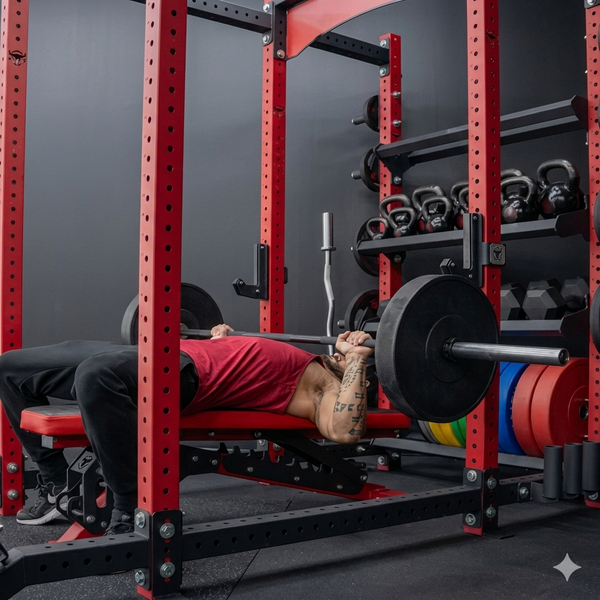
In professional training facilities, equipment quality and versatility are paramount for delivering results. Trainers and athletes need tools that can handle high-intensity routines, multiple users, and long-term durability. A functional trainer Canada is engineered precisely for these demands, offering a combination of adaptability, strength, and performance optimization that modern gyms require. These machines ensure that professional environments can cater to diverse training styles while maintaining efficiency and safety.
Why is a commercial-grade functional trainer ideal for professional gyms?
Commercial-grade functional trainers are built to withstand heavy daily use while providing smooth and consistent performance. Their robust construction allows for multiple users simultaneously, which is essential for professional facilities where equipment turnover is high. The versatility of exercises it supports—from resistance training to functional movements—enables gyms to offer comprehensive programs without occupying excessive space.
How does this equipment improve member satisfaction?
Gym members often seek equipment that challenges them while remaining safe and easy to use. Functional trainers provide this by offering adjustable resistance levels and a variety of attachments. Users can transition seamlessly between exercises like chest presses, rows, squats, and rotational movements. This flexibility keeps training engaging and ensures that members of all skill levels achieve measurable progress, which directly improves satisfaction and retention.
What are the structural benefits of a commercial-grade functional trainer?
Commercial functional trainers are constructed from reinforced steel frames with precision-engineered pulleys and cables. This ensures stability during dynamic movements and longevity under heavy usage. Smooth cable systems reduce friction, allowing exercises to feel natural and preventing unnecessary strain on joints. The attention to ergonomic design also ensures that users maintain proper form, reducing the risk of injury during intense workouts.
How does it accommodate multiple users at the same time?
Many commercial-grade functional trainers are designed with dual adjustable pulleys, allowing two individuals to train simultaneously without compromising safety or comfort. This is particularly useful in professional gyms where optimizing space and equipment usage is critical. Trainers can structure circuit-based programs efficiently, maximizing the number of clients who can benefit from the equipment.
In what ways does this equipment support functional training trends?
Functional training focuses on movements that mimic real-life activities, emphasizing strength, stability, and mobility. Functional trainers allow exercises in multiple planes of motion, replicating natural body movements. This approach enhances athletic performance and daily functional capacity, making it an essential addition to professional gyms aiming to meet modern fitness trends.
Why is versatility important for professional training facilities?
Versatility ensures that a single piece of equipment can serve multiple training purposes. Functional trainers offer an array of exercise options, from core stabilization to upper- and lower-body strength training. This reduces the need for multiple machines, saving space and investment costs while providing a complete training solution for facility members.
How does a commercial-grade functional trainer enhance safety?
Safety is a top priority in professional gyms. Commercial-grade functional trainers incorporate features such as guided pulley systems, secure weight stacks, and anti-slip platforms. These design elements minimize the chance of injury and allow trainers to safely supervise sessions. Users can progress to higher resistance levels with confidence, knowing the equipment is engineered to support proper form and stability.
Can it meet the needs of both beginners and professional athletes?
Yes, the adaptability of a functional trainer makes it suitable for all fitness levels. Beginners can start with lighter resistance and fundamental movements, while professional athletes can perform complex, high-intensity exercises targeting strength, endurance, and functional mobility. This makes it an ideal tool for gyms that cater to a broad range of clientele.
How does investing in a commercial-grade functional trainer benefit gym operations?
A premium functional trainer is a long-term investment for professional facilities. Its durability reduces maintenance costs and downtime, while its versatility allows for a wide range of programs. This means gyms can serve more members effectively, increase client satisfaction, and enhance their reputation for offering high-quality, professional-grade equipment.
What features make a functional trainer particularly appealing to personal trainers?
Personal trainers require equipment that supports tailored workouts for individual clients. Functional trainers allow customization of resistance, range of motion, and exercise type. Trainers can adjust settings quickly to match client needs, making the sessions efficient and highly effective. This flexibility also enables trainers to design programs for rehabilitation, strength, conditioning, and sports-specific performance.
How does a commercial-grade functional trainer contribute to long-term fitness results?
Regular use of a functional trainer builds strength, stability, and endurance. By engaging multiple muscle groups and promoting functional movement patterns, it ensures balanced development and minimizes the risk of overuse injuries. Over time, users can achieve measurable improvements in athletic performance, mobility, and overall health.
Why is construction quality crucial for professional environments?
Gyms with high traffic require equipment that maintains performance under repeated use. Commercial-grade functional trainers are engineered with premium materials to handle intensive workouts without compromising safety or functionality. Reinforced frames, high-tension cables, and durable pulleys ensure that the machine continues to perform smoothly, even in demanding environments.
Can functional trainers support rehabilitation programs?
Yes. Functional trainers allow controlled, low-impact exercises that are ideal for rehabilitation. Trainers and therapists can adjust resistance levels precisely, supporting muscle recovery and joint stability. This controlled environment helps clients regain strength safely, making functional trainers a valuable asset in professional facilities that also focus on wellness and injury prevention.
How does a functional trainer optimize gym space?
Space efficiency is a key advantage of functional trainers. By offering multiple exercise options within a single machine, they reduce the need for multiple individual machines. This not only saves space but also allows for more organized gym layouts and better traffic flow, which enhances the overall user experience.
How do these machines improve training efficiency for gym members?
Members benefit from the ability to perform compound movements that target multiple muscle groups simultaneously. This reduces the total time needed for a full-body workout while maintaining high training intensity. The adaptability of the equipment also allows quick transitions between exercises, keeping workouts streamlined and productive.
What distinguishes modern commercial-grade functional trainers from older models?
Modern functional trainers focus on engineering precision, ergonomic design, and multi-directional functionality. Compared to older machines, they are more compact, versatile, and capable of handling higher loads with smoother operation. These improvements ensure professional facilities can provide superior training experiences for a diverse range of clients.
How does a functional trainer reflect the professionalism of a gym?
High-quality, well-maintained equipment signals a commitment to excellence. Functional trainers convey that a facility prioritizes performance, safety, and member satisfaction. For professional gyms, this builds credibility and fosters trust among members and prospective clients.
What long-term advantages does a gym gain from including a functional trainer?
A commercial-grade functional trainer supports diverse training goals, attracts serious athletes, and enhances member retention. Its durability reduces the need for frequent replacements, providing long-term cost savings. Ultimately, it positions the facility as a forward-thinking, professional training environment capable of delivering exceptional fitness experiences.
Conclusion
A functional trainer Canada designed for commercial use is a cornerstone for professional training facilities. Its versatility, durability, and user-friendly design make it suitable for athletes of all levels while optimizing gym operations. By promoting functional strength, enhancing safety, and providing a complete training solution in a compact footprint, it meets the evolving demands of modern fitness environments. Investing in a commercial-grade functional trainer elevates the quality of training, supports long-term member satisfaction, and ensures professional gyms remain at the forefront of performance-focused fitness.