










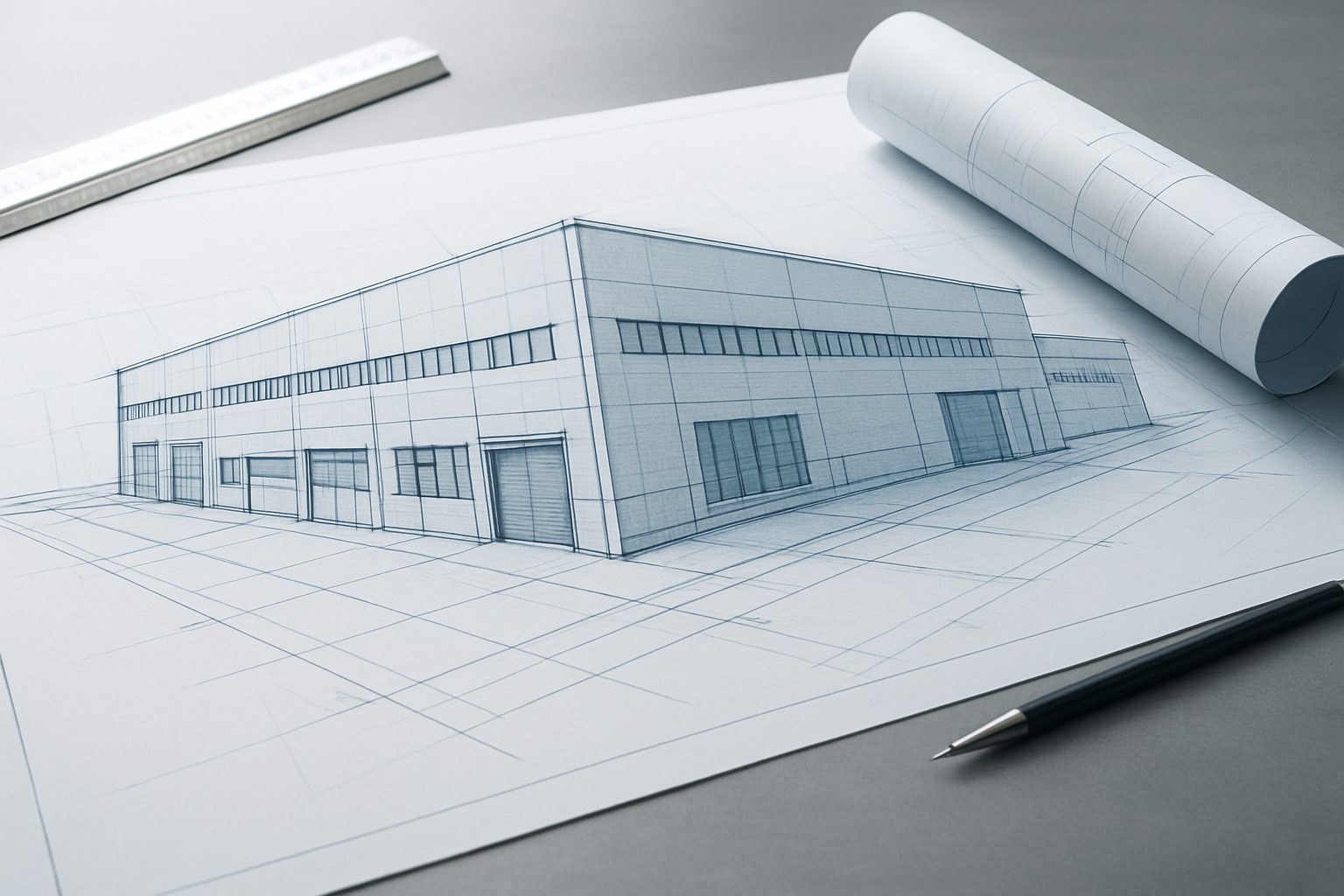
Industrial real estate success is increasingly defined by the ability to align physical assets with long-term economic trends. As industries evolve and supply chains become more complex, investors who integrate real estate expertise with forward-looking planning gain a significant advantage. The approach of David Ebrahimzadeh reflects this balance, combining deep industry knowledge with structured long-term investment strategies designed to create durable value across multiple economic cycles.
What does it mean to integrate real estate expertise with long-term planning?
Integrating real estate expertise with long-term planning means using market knowledge, asset experience, and economic forecasting to guide investment decisions that extend beyond short-term returns. It involves identifying properties that will remain relevant as industries change, while also ensuring that capital is deployed efficiently to maximize future stability and growth.
How does Corniche Capital apply this integrated strategy in practice?
Corniche Capital operates with a long-term investment philosophy centered on industrial real estate assets that serve essential industries. The firm focuses on acquiring, developing, and holding properties that support logistics, advanced manufacturing, aerospace, defense, cold storage, and data infrastructure.
Corniche Capital has built a portfolio spanning millions of square feet across the United States, reflecting a disciplined strategy that prioritizes long-term ownership over short-term transactions. Each asset is evaluated not only for current performance but also for its ability to remain relevant in future industrial and technological environments.
How does leadership influence long-term investment outcomes?
Strong leadership in industrial real estate requires the ability to interpret macroeconomic trends and translate them into actionable investment decisions. This includes understanding supply chain evolution, technological advancements, and regional economic shifts that affect industrial demand.
At the core of this approach is disciplined planning. Investment decisions are made with a long-term horizon, ensuring that assets contribute to portfolio stability while adapting to future operational requirements. This strategic mindset allows for consistent growth even during market uncertainty.
How does cross-sector insight enhance investment planning?
Cross-sector insight plays a key role in shaping effective long-term strategies. By analyzing developments in venture capital, defense innovation, and advanced technology, investors can anticipate how industrial infrastructure needs will evolve over time.
In this context, David Ebrahimzadeh NY represents a leadership perspective that bridges traditional real estate investment with emerging technological and industrial trends. This integration of insights supports more informed planning and helps ensure that infrastructure investments remain aligned with future market demands.
Why is long-term ownership important in industrial real estate strategy?
Long-term ownership allows investors to benefit from consistent cash flow, asset appreciation, and strong tenant relationships. It also enables continuous reinvestment into property upgrades and infrastructure improvements, ensuring that assets remain competitive and functional over time.
This approach reduces turnover risk and creates more predictable performance, which is especially important in sectors that rely on stable, mission-critical infrastructure.
How do build-to-suit developments support strategic alignment?
Build-to-suit developments are designed specifically around tenant operational needs, which ensures high efficiency and long-term usability. These facilities reduce operational inefficiencies and provide customized solutions for industries that require specialized infrastructure.
Because they are purpose-built, these assets tend to attract long-term tenants, improving occupancy stability and strengthening overall portfolio performance. They also allow for better alignment between real estate development and long-term industrial demand.
What role does risk management play in long-term investment planning?
Risk management is central to successful long-term investment strategies. It involves diversifying across sectors, selecting resilient markets, and focusing on assets that can withstand economic fluctuations.
By carefully evaluating risk factors such as tenant stability, market demand, and infrastructure adaptability, investors can create portfolios that remain strong under varying market conditions while continuing to generate consistent returns.
Conclusion
The combination of real estate expertise and long-term planning is essential for building resilient industrial portfolios in today’s evolving economy. Through disciplined strategy, sector awareness, and forward-looking investment decisions, David Ebrahimzadeh demonstrates how industrial real estate can be positioned for sustained performance, long-term stability, and continued relevance in a changing global landscape.