











What happens in early flowering?
Flowering starts with a shift, energy pulls away from leaf growth and moves toward calyx formation, usually somewhere in the first two to three weeks after the light cycle changes.
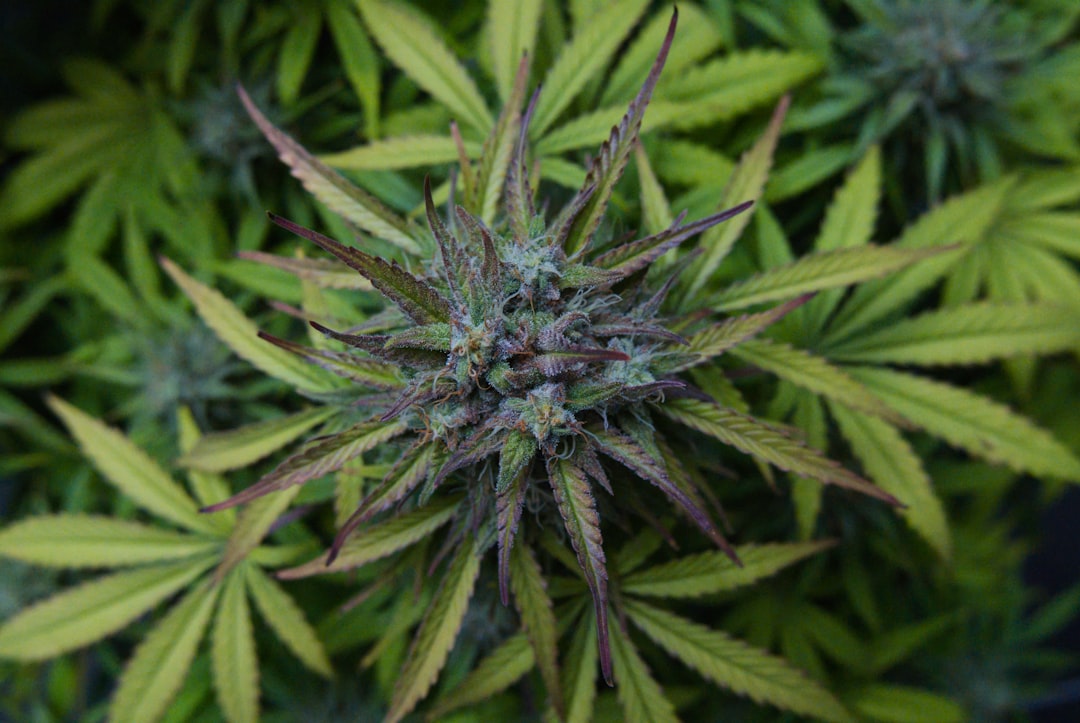
Small clusters show up along the stem during this window, not looking much like what they’ll eventually turn into. Pistils come in as thin white strands, a sign the plant’s committed to reproductive growth instead of stretching upward further. Exhale’s THCA flower passes through this identical opening stretch regardless of strain, since early calyx formation tends to follow a fairly fixed sequence, harvest after harvest. Each new node grows its own cluster, so change spreads across the whole canopy rather than starting at one point. Height gains slow down a lot compared to the vegetative stretch before it, and priorities shift toward bud sites rather than branches reaching outward. Leaf production tapers off too during this window, freeing up more resources for the bud sites forming along each branch.
Why do mid-flowering swell buds?
Calyxes pack tighter during this stretch, pistils multiply, and the plant pours most of its energy into bud mass instead of continued height.
Bud sites that started as thin clusters fill out visibly, calyxes overlapping as they expand week over week. Trichome coverage gets noticeable around now, too, building steadily even though resin hasn’t hit its later peak yet. Nutrient demand climbs during this window, and the plant channels resources toward supporting rapid structural buildup happening across every bud site at once.
A few visible markers tend to define this stage:
- Calyxes swell and overlap compared to the loose clusters formed earlier on.
- Pistil density jumps sharply across most bud sites within a short stretch.
- Bud shape starts resembling its final form well before reaching full size.
Late flowering resin peak
Resin output climbs sharply in this final window, mostly because trichome production works as a defensive response tied to advancing maturity.
Cannabinoid synthesis speeds up once calyxes hit full size; energy that went toward structural growth earlier shifts into chemical production instead. Trichome heads swell and turn cloudy as this process peaks, usually visible under magnification during the final week or two before harvest. Pistil colour shifts alongside this timing too, darkening from white to amber as the plant signals it’s getting close to done.
Final ripening stage
Buds swell further during this last stretch and darken slightly, eventually settling into the dense structure most people associate with a finished harvest.
Growers keep an eye on trichomes here, watching them shift from clear to cloudy since that change point fairly reliably indicates where cannabinoid levels sit relative to peak. Calyxes don’t stop swelling once structural growth wraps up, either; they keep packing tighter around each cola right through this stage. Yellowing sets in on fan leaves too, dropping away on its own as the plant sends whatever energy’s left toward buds instead of foliage.
Flowering moves from early structure building all the way through to dense, resin-heavy buds by the time harvest actually arrives, each stage feeding directly into what comes next.