












Introduction
Modern intelligent systems are becoming an essential part of many digital applications, from recommendation platforms and voice assistants to automated business solutions and advanced analytics tools. While much attention is given to how models are created and trained, the process that allows these systems to deliver results in real-world situations is equally important. This process is known as inference.
Inference is the stage where a trained model receives new information, processes it, and generates a prediction, decision, or response. Understanding the journey from input to output helps explain how modern computing systems deliver fast and accurate results.
What Is Inference?
Inference is the process of using a trained model to analyse new data and produce an outcome. During the training stage, a model learns patterns from large amounts of data. Once trained, the model can apply that knowledge to new inputs through inference.
For example, a system designed to identify objects in images does not need to be retrained every time it receives a new image. Instead, it uses inference to analyse the image and determine what objects are present.
Complete Inference Process
Step 1: Receiving the Input
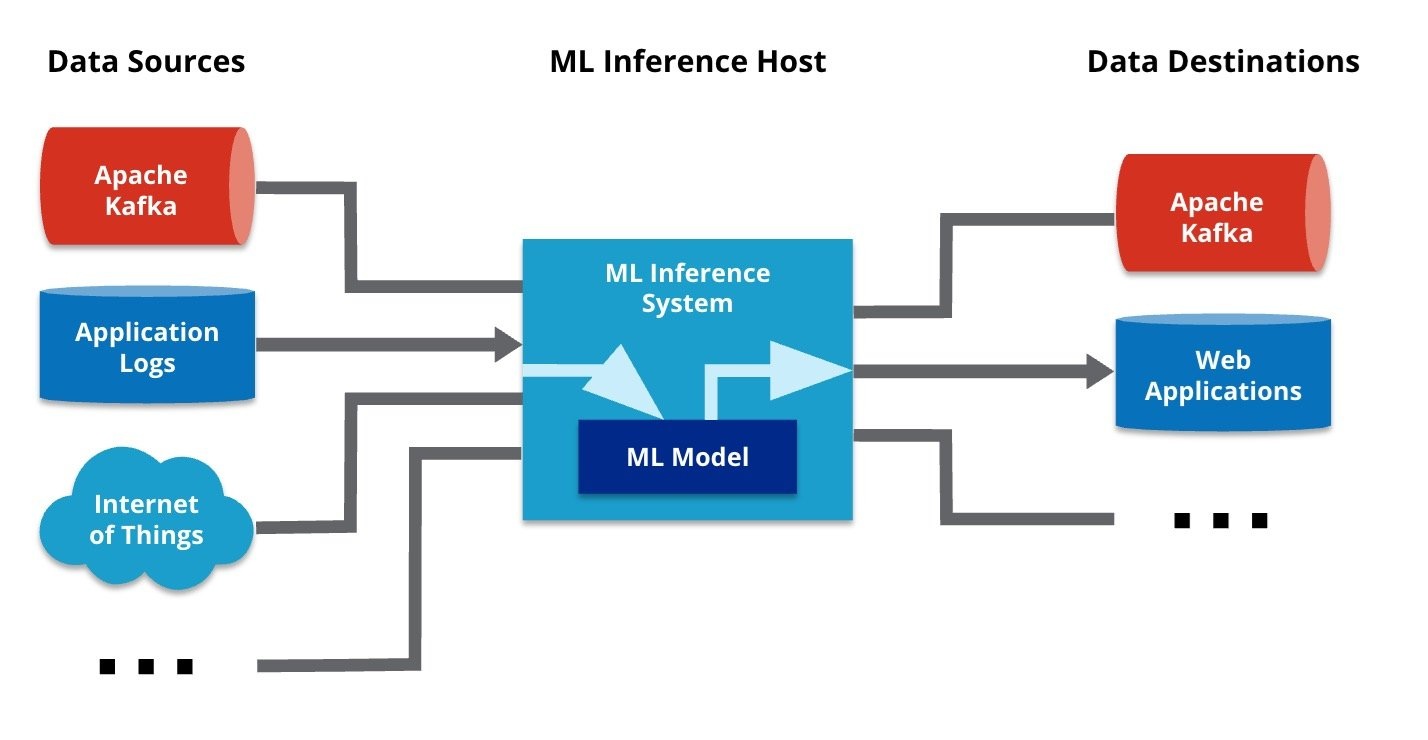
The inference process begins when a system receives input data. The type of input depends on the application and may include text, images, audio, video, sensor information, or numerical data.
Before processing begins, the input usually needs to be prepared in a format that the model can understand. This preparation stage is known as pre-processing.
Examples of pre-processing include:
- Converting images into numerical data.
- Cleaning and formatting text.
- Adjusting audio signals.
- Organising sensor readings.
High-quality input preparation is important because inaccurate or incomplete data can affect the final output.
Step 2: Processing the Data Through the Model
After receiving and preparing the input, the data is passed through the trained model. The model analyses the information using patterns and relationships learned during training. During this stage, the model performs calculations to identify relevant features and determine possible outcomes.
For example, in an image recognition system, the model may analyse shapes, colors, and patterns to identify objects. In a language-based system, it may examine words, context, and relationships between different parts of a sentence.
The complexity and speed of this process depend on factors such as model size, available computing resources, and optimization techniques.
Step 3: Generating the Output
Once the model completes its analysis, it produces an output. The output can take different forms depending on the purpose of the system. The output may require additional processing before it becomes useful to users. For example, a recommendation system may rank multiple results before displaying the most relevant options.
Step 4: Delivering Results Efficiently
The final stage of inference involves delivering the output to the user or application. In real-time systems, speed is extremely important because delays can affect user experience.
Conclusion
The inference process transforms raw information into meaningful results by taking input data, analyzing it through a trained model, and producing an output. Each stage, from data preparation to final delivery, plays an important role in ensuring accuracy and efficiency.
As digital applications become more advanced, improving inference performance will remain a key focus for organizations looking to build faster, smarter, and more reliable technology solutions. Understanding how inference works provides valuable insight into the systems powering many of today’s intelligent applications.