










The business world has changed dramatically over the past decade. Organizations now operate in an environment where data is generated every second through customer interactions, digital platforms, financial transactions, and connected devices. While access to information has become easier than ever, making accurate and timely decisions has become increasingly complex. Businesses are no longer competing solely on products or services—they are competing on the quality and speed of their decisions. This is why decision intelligence has emerged as a powerful driver of smart decision-making.
Decision intelligence combines artificial intelligence (AI), machine learning, predictive analytics, business intelligence, and human expertise to improve how organizations make decisions. Instead of relying only on intuition or historical reports, businesses can use intelligent technologies to evaluate data, predict future outcomes, and recommend the most effective actions. Companies such as A2go.ai are helping organizations embrace decision intelligence to improve strategic planning, operational performance, and long-term business success.
Understanding Decision Intelligence
Decision intelligence is an interdisciplinary approach that connects data science, artificial intelligence, analytics, and business strategy into a unified decision-making framework. It focuses on helping organizations understand not only what has happened but also what is happening now, what is likely to happen in the future, and what actions should be taken to achieve the best possible results.
Unlike traditional reporting systems that primarily summarize historical performance, decision intelligence actively supports business leaders by providing predictive insights and actionable recommendations. This enables organizations to make decisions based on evidence rather than assumptions, reducing uncertainty while improving confidence.
As businesses continue generating larger volumes of information, decision intelligence provides the structure needed to transform complex data into meaningful business value.
The Evolution of Business Decision-Making
Business decision-making has evolved significantly over the years. In the past, executives often relied on personal experience, intuition, and limited historical information when making important decisions. While experience remains valuable, the increasing complexity of modern business requires a more analytical approach.
The introduction of business intelligence tools marked the first major shift toward data-driven decision-making. Dashboards, reports, and performance metrics gave organizations better visibility into historical operations. However, these systems were primarily designed to explain what had already happened.
Decision intelligence represents the next stage in this evolution. Instead of focusing only on past performance, it uses artificial intelligence and predictive analytics to forecast future events and recommend the most effective responses. This proactive approach enables organizations to anticipate challenges and seize opportunities before competitors.
Why Smart Decision-Making Matters
Every organization depends on thousands of decisions each day, ranging from routine operational choices to major strategic investments. Even small improvements in decision quality can produce significant long-term benefits for profitability, productivity, and customer satisfaction.
Smart decision-making helps businesses allocate resources efficiently, reduce unnecessary expenses, identify growth opportunities, and respond quickly to changing market conditions. Organizations that consistently make informed decisions often outperform competitors because they adapt more effectively to uncertainty.
Decision intelligence provides leaders with reliable insights that simplify complex business challenges and improve the overall quality of organizational decisions.
Artificial Intelligence Powers Better Decisions
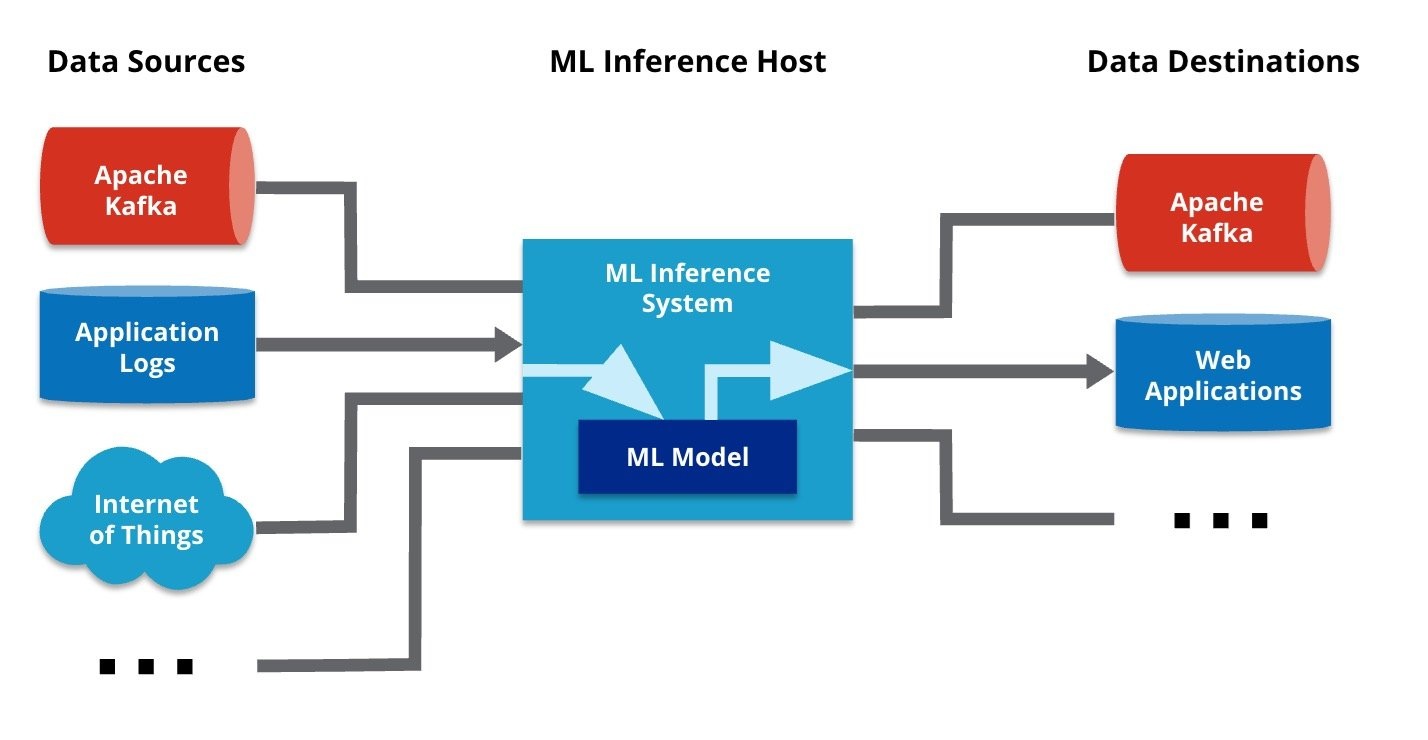
Artificial intelligence serves as the technological foundation of decision intelligence. AI systems analyze massive amounts of structured and unstructured data much faster than traditional analytical methods, allowing organizations to discover valuable insights in real time.
Machine learning algorithms continuously improve their predictions by learning from previous outcomes and newly available information. As more data becomes available, AI models become increasingly accurate, providing business leaders with more reliable recommendations.
These capabilities enable organizations to make faster decisions without sacrificing accuracy, allowing them to respond effectively to both opportunities and risks.
Transforming Data Into Actionable Insights
Modern organizations collect data from numerous sources, including enterprise software, customer relationship management platforms, financial systems, websites, mobile applications, social media, and supply chain operations. While this information contains valuable knowledge, its sheer volume can overwhelm traditional decision-making processes.
Decision intelligence transforms raw data into actionable insights by identifying meaningful patterns, relationships, and trends. Rather than presenting leaders with countless reports, intelligent systems prioritize the information most relevant to current business objectives.
This enables executives to focus on strategic actions rather than spending valuable time interpreting complex datasets.
Supporting Strategic Planning
Strategic planning involves making decisions that affect the long-term direction of an organization. Whether expanding into new markets, launching innovative products, investing in technology, or entering strategic partnerships, executives must carefully evaluate multiple possibilities before committing resources.
Decision intelligence strengthens strategic planning by simulating different business scenarios and predicting their likely outcomes. Leaders can compare various strategies, assess potential risks, and identify opportunities with greater confidence.
This forward-looking approach allows organizations to make informed decisions that support sustainable growth while minimizing uncertainty.
Improving Operational Efficiency
Operational excellence is one of the primary goals of every successful organization. Businesses continuously seek ways to reduce costs, improve productivity, optimize resources, and eliminate inefficiencies.
Decision intelligence contributes to these objectives by analyzing operational data across departments and identifying opportunities for improvement. Predictive insights help organizations optimize inventory management, workforce scheduling, production planning, procurement, and logistics.
Instead of reacting to operational problems after they occur, businesses can anticipate challenges and implement proactive solutions that improve efficiency and profitability.
Enhancing Customer Experience
Customer expectations continue to evolve as digital technologies reshape how businesses interact with consumers. Organizations that understand customer behavior are better positioned to deliver personalized experiences that strengthen loyalty and increase revenue.
Decision intelligence analyzes customer interactions across websites, mobile applications, purchase histories, customer support channels, and marketing campaigns. These insights enable businesses to understand changing preferences, anticipate future needs, and tailor products and services accordingly.
Personalized customer experiences improve satisfaction while creating stronger relationships that contribute to long-term business success.
Strengthening Risk Management
Every business operates in an environment filled with uncertainty. Financial fluctuations, cybersecurity threats, regulatory requirements, and supply chain disruptions all present significant challenges that require proactive management.
Decision intelligence continuously monitors organizational data to detect unusual patterns and emerging risks before they become major problems. Predictive models provide early warnings that enable businesses to respond quickly while minimizing financial and operational impacts.
By improving visibility into potential risks, organizations become more resilient and better prepared to manage unexpected events.
Creating a Data-Driven Culture
Technology alone cannot transform an organization. Businesses must also encourage employees to rely on accurate data when making decisions throughout their daily work.
Decision intelligence provides accessible insights for teams across every department. Marketing professionals can improve campaign performance using predictive analytics. Sales teams can identify promising opportunities more effectively. Finance departments can strengthen budgeting and forecasting, while operations managers can optimize business processes.
When data-driven thinking becomes part of organizational culture, collaboration improves, innovation accelerates, and decision-making becomes more consistent.
The Growing Role of Automation
Automation has become an essential component of modern business operations, and decision intelligence significantly enhances its capabilities. Rather than following fixed rules, intelligent automation adapts to changing conditions using real-time data and predictive analysis.
Organizations can automate customer support routing, inventory replenishment, pricing adjustments, fraud detection, scheduling, and reporting while maintaining high levels of accuracy.
This combination of automation and intelligent analysis reduces manual workloads and allows employees to focus on strategic activities that create greater business value.
How A2go.ai Supports Smarter Decision-Making
As organizations increasingly adopt AI-powered technologies, A2go.ai provides innovative solutions designed to improve decision-making across every level of the business. By combining artificial intelligence, predictive analytics, intelligent automation, and advanced data processing, A2go.ai helps organizations transform complex information into actionable business insights.
Its solutions enable companies to improve forecasting, strengthen strategic planning, optimize operations, reduce business risks, and enhance customer experiences. By making decision intelligence accessible and practical, A2go.ai empowers organizations to make faster, more informed decisions that support long-term success.
Whether guiding executive leadership or supporting operational teams, A2go.ai helps businesses unlock the full potential of intelligent decision-making.
The Future of Smart Decision-Making
The evolution of decision intelligence is closely linked to ongoing advances in artificial intelligence, machine learning, and cloud computing. Future decision intelligence platforms will provide even more accurate predictive models, explainable AI recommendations, real-time business insights, and seamless integration across enterprise systems.
Organizations will increasingly rely on intelligent technologies to evaluate complex business scenarios, automate sophisticated workflows, and support collaboration between humans and AI. Businesses that invest in decision intelligence today will be better positioned to adapt to changing markets and emerging technologies.
As digital transformation continues across industries, smart decision-making will become one of the most valuable competitive advantages available to modern organizations.
Conclusion
The evolution of business has made intelligent decision-making more important than ever before. Organizations must process growing volumes of data while responding quickly to changing customer expectations, technological innovation, and competitive pressures.
Decision intelligence provides the framework needed to transform information into meaningful actions by combining artificial intelligence, predictive analytics, automation, and human expertise. It enables businesses to improve strategic planning, optimize operations, strengthen risk management, and deliver better customer experiences through smarter decisions.
With advanced AI-powered solutions from A2go.ai, organizations can accelerate their journey toward intelligent, data-driven decision-making while building a stronger foundation for innovation, resilience, and sustainable growth. As technology continues to evolve, decision intelligence will remain at the center of the next generation of smart business leadership.