









Technology has transformed nearly every aspect of modern business events, and scenic production is no exception. Companies today expect event environments to do more than provide attractive backgrounds. They want spaces that capture attention, communicate their brand message, support presentations, encourage interaction, and create memorable experiences for visitors.
Modern scenic production combines creative design, physical structures, lighting, digital technology, and strategic planning to transform commercial venues into engaging environments. From convention centers and exhibition halls to corporate campuses, parking lots, and outdoor commercial properties, technology is giving businesses new ways to design and deliver impressive event experiences.
As digital tools continue to develop, companies are discovering that technology can make scenic environments more flexible, interactive, efficient, and visually powerful.
Digital Design Is Improving the Planning Process
One of the first areas where technology is changing scenic production is the design stage. Advanced digital design and visualization tools allow production teams to develop detailed concepts before construction begins.
Designers can create three-dimensional representations of stages, branded structures, exhibition areas, entrance features, and other scenic elements. Businesses can review these concepts and understand how the finished environment may look within a specific commercial venue.
This digital planning process can also help identify potential problems early. Teams can evaluate dimensions, visitor pathways, sightlines, structural requirements, and placement of technology before physical production starts.
For large commercial projects, this level of preparation can save time and reduce costly changes during installation.
LED Displays Are Creating Dynamic Environments
Large LED screens have become an important part of modern scenic production. Unlike traditional printed graphics, digital displays can change throughout an event.
Businesses can use LED technology to present product videos, brand messages, presentations, animations, promotional content, and real-time information. A single display can serve multiple purposes during a conference, product launch, or corporate event.
LED walls can also become part of the scenic architecture itself. Instead of placing a screen beside a stage, designers can integrate digital surfaces into custom scenic structures.
This creates a more unified environment while giving businesses greater flexibility over the content displayed.
Projection Technology Adds Visual Depth
Projection technology is another tool changing scenic production. High-quality projectors can transform walls, structures, floors, and other surfaces into dynamic visual environments.
Businesses can use projection mapping to display graphics that appear to move across architectural features. This can make a commercial event space feel larger, more dynamic, and more immersive.
For outdoor events held in parking lots or commercial properties, projection technology can turn temporary structures into visual focal points after dark. When combined with appropriate lighting and scenic elements, projections can dramatically change the atmosphere of a venue.
Interactive Technology Encourages Visitor Engagement
Modern audiences often expect opportunities to participate rather than simply observe. Interactive technology allows scenic production to become more engaging.
Touchscreens, interactive displays, motion-sensitive systems, digital kiosks, and other technologies can be incorporated into branded environments. Visitors may explore products, access information, participate in demonstrations, or interact with a company’s digital content.
These technologies are particularly valuable for businesses attending trade shows. Instead of relying entirely on printed displays, companies can create interactive areas that encourage visitors to spend more time within their environment.
Technology Is Enhancing Trade Show Environments
Trade shows are one of the clearest examples of how technology and scenic production are coming together. Businesses compete for attention in busy exhibition halls where dozens or even hundreds of companies may be displaying their products.
Modern trade show fabrication increasingly incorporates technology directly into custom scenic environments. LED walls, integrated screens, illuminated structures, interactive displays, and digital signage can all become part of the physical design.
With professional trade show fabrication businesses can create custom environments that combine physical architecture with digital content. This approach can make an exhibition space more visually distinctive while supporting demonstrations, presentations, and customer conversations.
The goal is not simply to add technology. Every digital element should serve a clear purpose within the overall scenic concept.
Smart Lighting Is Becoming More Powerful
Lighting technology has also advanced significantly. Modern LED fixtures can provide precise control over brightness, movement, color effects, and timing.
Within scenic production, lighting can highlight architectural features, create atmosphere, direct visitor attention, and support brand identity.
For example, a company may use programmed lighting to change the appearance of a stage during different presentations. At an outdoor commercial activation, lighting can define entrances, walkways, product displays, and audience areas.
When lighting is synchronized with video, music, or presentations, it can create a much more coordinated live experience.
Augmented and Virtual Experiences
Emerging technologies such as augmented reality and virtual reality are creating additional possibilities for scenic production.
Businesses can incorporate AR experiences into commercial environments to provide digital information through smartphones or specialized devices. Virtual reality can also allow visitors to explore products, locations, services, or experiences that cannot be physically presented at the event.
These technologies can be particularly useful when a business wants to demonstrate something large, complex, remote, or still under development.
Rather than replacing physical scenic design, AR and VR can complement it by adding another layer of interaction.
Outdoor Commercial Events Are Becoming More Sophisticated
Technology is also expanding the possibilities for scenic production in outdoor commercial spaces. Parking lots, shopping centers, corporate campuses, and other business properties can be transformed into temporary event environments.
Outdoor installations may incorporate large LED screens, temporary stages, architectural lighting, digital signage, branded structures, and interactive technology.
Because these environments often have different technical and logistical requirements than indoor venues, careful planning is essential. Weather, power distribution, visibility, audience movement, and equipment protection all need to be considered during the production process.
Technology allows these spaces to become highly sophisticated while still remaining temporary and adaptable.
Data Can Improve Scenic Experiences
Technology is not only changing what audiences see; it can also help businesses understand how people interact with event environments.
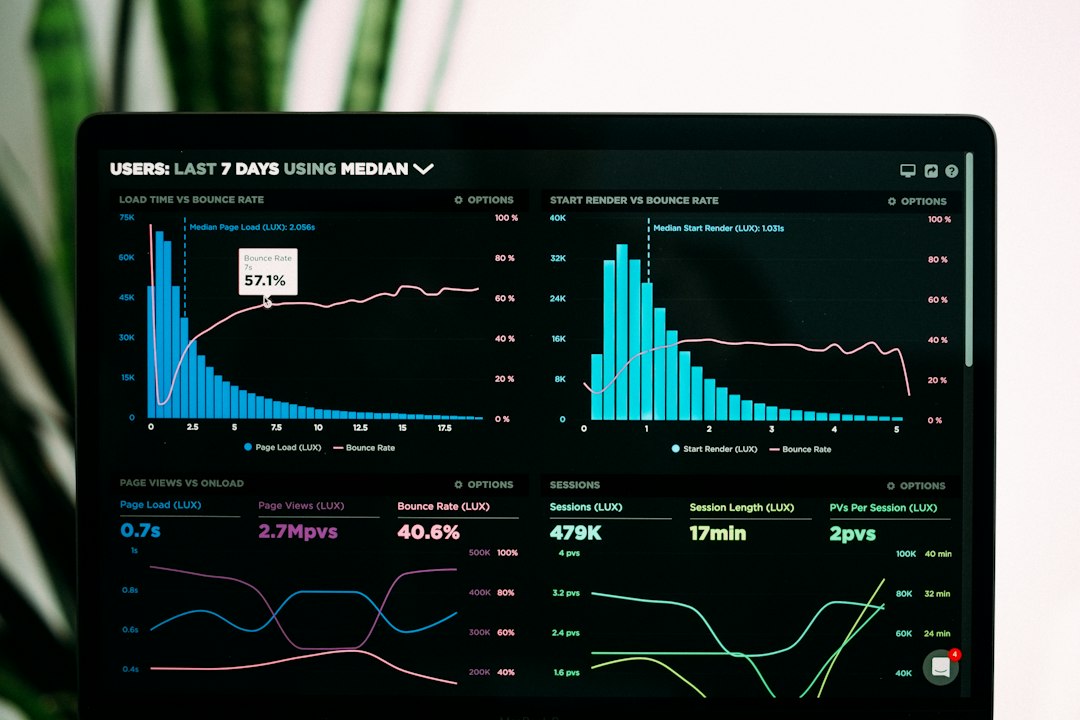
Digital systems can provide information about visitor engagement, popular displays, traffic patterns, and interactions. Businesses can use this information to improve future scenic designs.
For example, if a particular interactive installation attracts significantly more visitors than another area, that insight can influence future event layouts.
This makes scenic production increasingly connected to measurable business objectives rather than being viewed solely as an aesthetic investment.
More Flexible Trade Show Fabrication
Technology is also supporting greater flexibility in trade show fabrication. Digital displays and modular scenic structures can allow businesses to change messaging without rebuilding an entire environment.
A company attending several events can reuse structural elements while updating digital content for each audience. This can make event investments more efficient and reduce the need for completely new installations.
When technology is integrated thoughtfully, trade show fabrication becomes part of a broader strategy for creating reusable and adaptable commercial environments.
The Role of Professional Production Partners
Although technology offers many exciting opportunities, successful implementation requires experience. Digital displays, lighting systems, structural elements, electrical requirements, graphics, and scenic components all need to work together.
Businesses can benefit from working with experienced production specialists that understand both creative design and technical execution. Show Ready can help businesses approach scenic production with a focus on professional planning, visual impact, and practical commercial requirements.
An experienced team can determine which technologies are appropriate for a specific venue and ensure they support the overall design rather than becoming distracting additions.
The Future of Scenic Production
Technology will continue to influence the future of scenic production. Artificial intelligence, improved visualization tools, interactive systems, advanced LED technology, automation, and new digital experiences are likely to provide businesses with even more creative possibilities.
However, technology alone does not create an effective event environment. The strongest scenic productions combine technology with thoughtful design, strong storytelling, practical planning, and an understanding of the audience.
Businesses should therefore focus on how technology can support their goals. Whether the objective is attracting visitors at a trade show, launching a product in a parking lot, hosting a corporate event, or creating an immersive commercial activation, technology should strengthen the overall experience.
Conclusion
Technology is changing scenic production by making commercial event environments more dynamic, interactive, flexible, and measurable. Digital design tools improve planning, LED displays create changing visual experiences, projection adds depth, interactive systems encourage engagement, and advanced lighting helps shape the atmosphere.
For businesses, the combination of technology and scenic design creates opportunities to transform ordinary commercial spaces into memorable experiences. Professional trade show fabrication can bring physical and digital elements together, while experienced partners such as Show Ready can help businesses turn creative concepts into practical event environments.
As technology continues to evolve, scenic production will remain an important tool for companies looking to make a stronger impression in today’s increasingly competitive live-event landscape.