












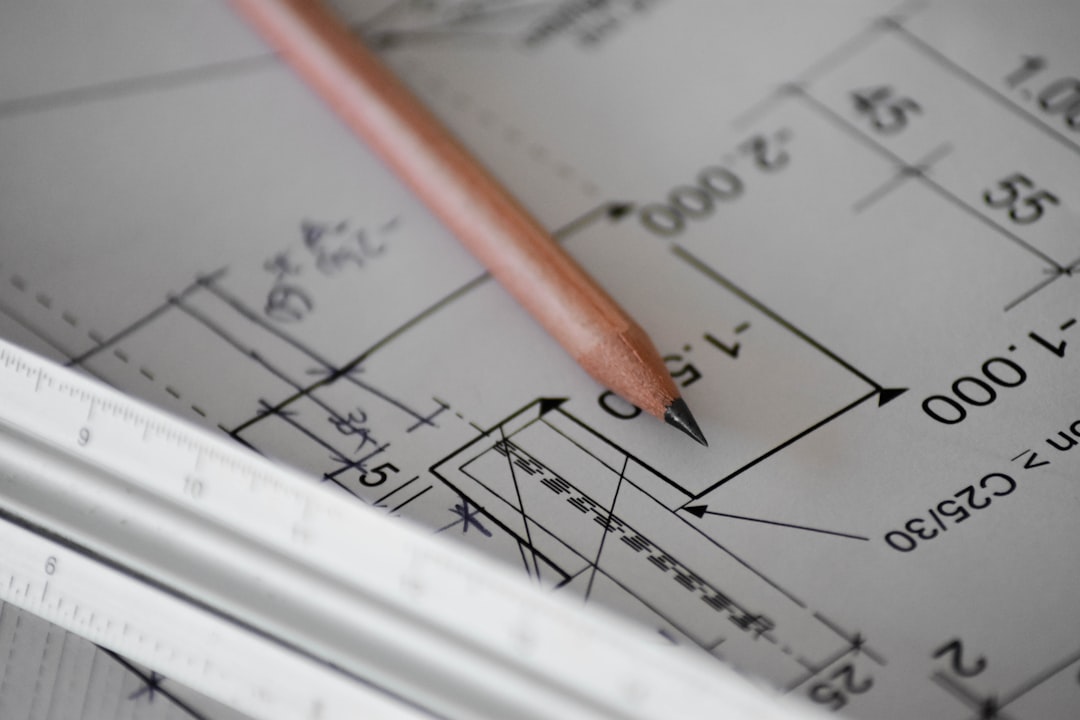
What connects engineering strategy with long-term product value in manufacturing systems?
The relationship lies in how early-stage design decisions influence durability, performance, and lifecycle efficiency. A strong engineering strategy ensures that every material choice, structural design, and production method contributes to sustained product performance over time. Industry data indicates that products developed with structured engineering planning demonstrate up to 32 percent longer operational lifespans compared to those created without a strategic framework. In this context, Audrey Saylor emphasizes that engineering strategy is not limited to production efficiency alone but extends directly into how value is preserved and enhanced throughout the entire product lifecycle, from concept to long-term usage in the field.
How do statistical insights support the importance of long-term product value?
Manufacturing analytics show that organizations focusing on strategic engineering alignment experience fewer post-production failures and reduced warranty-related issues. On average, maintenance costs drop by 18 to 25 percent when products are designed with lifecycle performance in mind. Additionally, customer satisfaction levels improve due to increased product reliability and reduced operational disruptions. These statistics highlight how engineering strategy directly influences not just production success but also long-term economic and functional value in industrial outputs.
How does regional engineering experience influence strategic decision-making?
Practical experience gained from real manufacturing environments plays a critical role in shaping engineering strategies that prioritize long-term performance. In this context, Audrey Saylor South Dakota represents a grounded approach where strategic planning is continuously refined through field insights and production feedback. This hands-on perspective helps engineers identify potential lifecycle challenges early in the design phase, reducing the likelihood of performance degradation over time. Statistical evaluations show that organizations integrating field-driven insights into strategy development experience higher product reliability scores and improved lifecycle efficiency across multiple production cycles.
How does engineering strategy impact product durability and lifecycle performance?
Engineering strategy ensures that every stage of product development is aligned with durability goals and long-term usability standards. By focusing on material strength, structural integrity, and environmental adaptability, manufacturers can significantly extend product lifespan. Predictive analysis tools and simulation models further support strategic planning by identifying stress points and performance risks before production begins. This proactive approach reduces the need for redesigns and ensures that products maintain consistent functionality under varying operational conditions over time.
What measurable benefits are associated with strong engineering strategy?
Organizations that implement structured engineering strategies report measurable improvements in efficiency, cost savings, and product reliability. Statistical performance tracking often shows increased first-pass yield rates and reduced post-production modifications. Additionally, supply chain efficiency improves as production planning becomes more predictable and aligned with long-term objectives. These benefits collectively contribute to stronger financial performance and enhanced product reputation in competitive markets, reinforcing the importance of strategic engineering alignment across all stages of manufacturing.
Why is engineering strategy essential for long-term product value creation?
As manufacturing systems become more complex and globally integrated, the importance of long-term value creation continues to grow. Engineering strategy ensures that short-term production goals do not compromise long-term product performance. Audrey Saylor highlights that sustainable industrial success depends on the ability to design with foresight, balancing immediate efficiency with future reliability. Ultimately, organizations that integrate strategic engineering thinking into their development processes achieve stronger product value retention, improved lifecycle performance, and sustained industrial competitiveness in evolving markets.