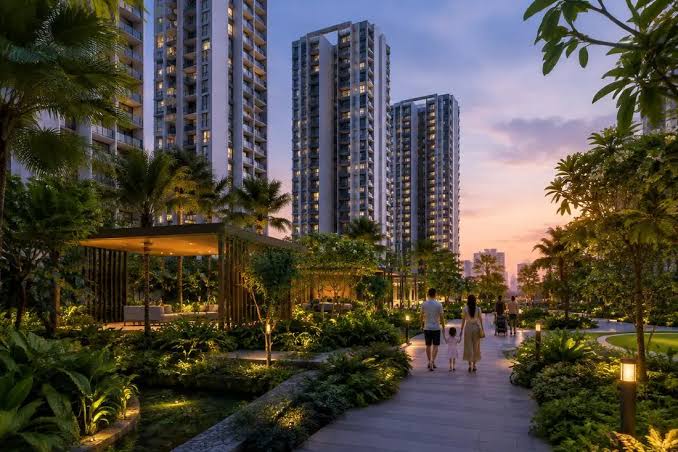



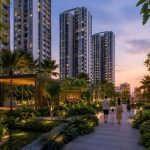






A master-planned community is designed with more than individual residential buildings in mind. Homes, transport links, green spaces, commercial areas, recreational facilities, and community services are considered as parts of a wider neighbourhood. In Singapore, this approach supports organised urban growth while creating environments that can meet the needs of different households. For homebuyers, understanding the benefits of master-planned communities can make it easier to evaluate whether a property offers the right combination of convenience, comfort, and long-term suitability.
Jump To
- A More Complete Residential Environment
- Transport Planned Alongside Housing
- Green Spaces Built Into the Neighbourhood
- Supporting Different Stages of Family Life
- Residential Developments Within a Wider Plan
- Encouraging Stronger Community Connections
- Supporting Sustainable Urban Growth
- Considering Future Neighbourhood Development
- Choosing a Home Within a Connected Community
A More Complete Residential Environment
One of the main advantages of master planning is the integration of different facilities within a neighbourhood. Residents may have access to schools, parks, shops, healthcare services, and community spaces without travelling far from home.
This arrangement can simplify everyday routines and create a stronger sense of place. Instead of viewing a home as an isolated property, buyers can consider how the surrounding neighbourhood supports their lifestyle. A well-planned environment can provide practical benefits for families, professionals, older residents, and other household groups.
Transport Planned Alongside Housing
Transportation is an important part of master-planned communities. Roads, public transport connections, pedestrian routes, and cycling paths can be developed alongside residential areas to improve accessibility.
Good transport planning gives residents more choices when travelling. People can walk to nearby facilities, use public transport for longer journeys, or rely on roads when necessary. This flexibility can make daily commuting easier while reducing dependence on a single mode of transport.
Green Spaces Built Into the Neighbourhood
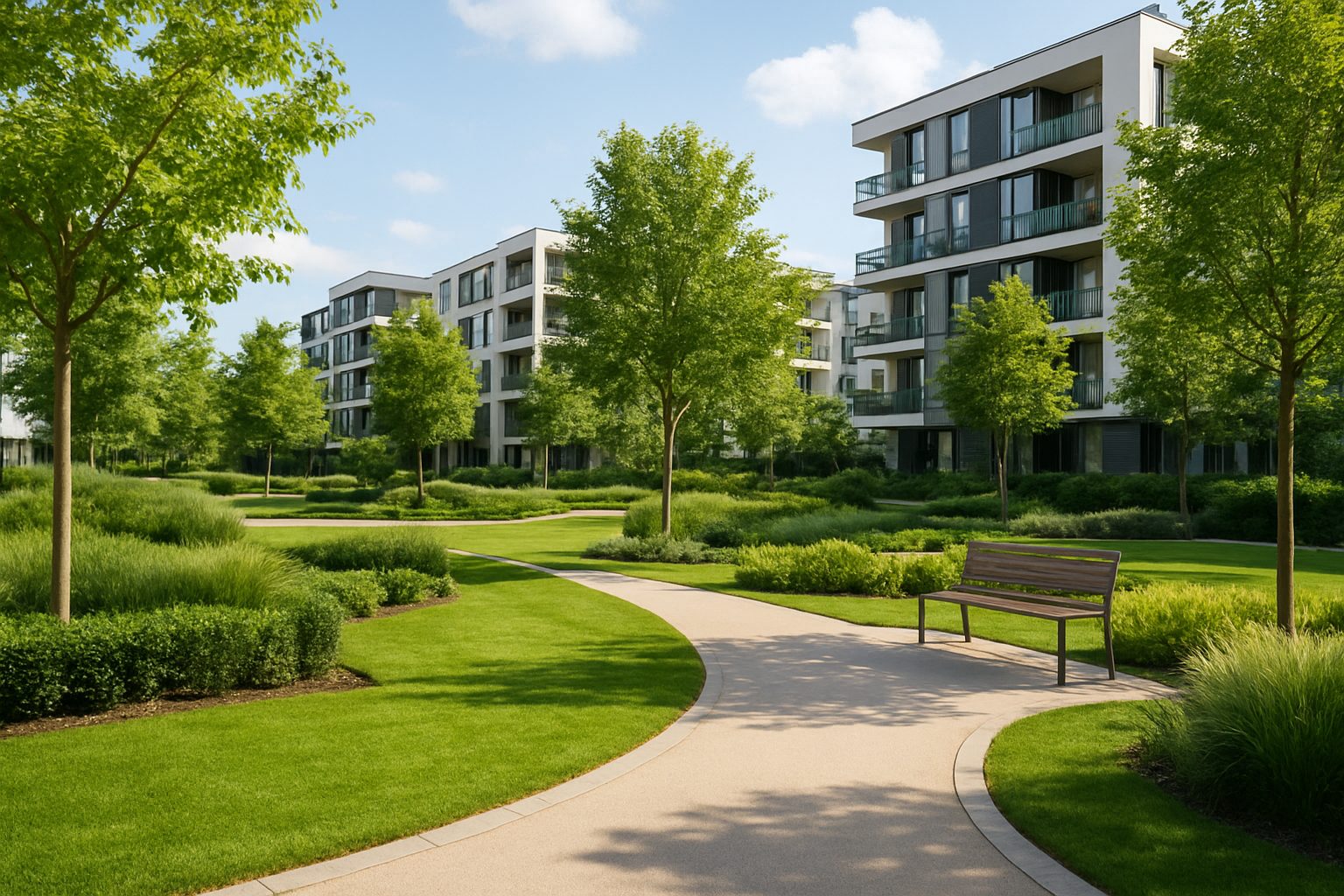
Master-planned communities often place considerable emphasis on parks, landscaped areas, and outdoor spaces. These features provide residents with opportunities for exercise, relaxation, and recreation while adding greenery to urban surroundings.
Access to open spaces can also benefit families with children and residents who enjoy outdoor activities. Thoughtful landscaping helps create a more pleasant environment and can provide a welcome contrast to Singapore’s dense urban setting. Green areas can therefore serve both practical and aesthetic purposes within a residential community.
Supporting Different Stages of Family Life
A well-planned community can accommodate changing household needs. Nearby schools, childcare services, healthcare facilities, recreational areas, and retail options can make neighbourhoods more suitable for families at different stages.
For parents, convenient access to schools and family facilities can simplify daily responsibilities. As children grow older, access to transport, education, sports, and community amenities can remain useful. This adaptability can make a master-planned neighbourhood attractive to buyers seeking a home that remains suitable for many years.
Residential Developments Within a Wider Plan
A condominium benefits when its surroundings are thoughtfully developed. Buyers often consider factors beyond the unit itself, including access to facilities, neighbourhood design, and the quality of the surrounding environment.
Developments such as The Serra Residences show why residential projects can be evaluated as part of a larger community. The relationship between a development and nearby infrastructure can influence everyday convenience and how residents experience the area.
Encouraging Stronger Community Connections
Master planning can create spaces that encourage residents to interact. Community centres, playgrounds, parks, event areas, and shared recreational facilities provide opportunities for neighbours to meet and participate in activities.
These spaces can help create a stronger sense of belonging. Residents may become familiar with people living nearby, while community activities can encourage interaction between different age groups. A thoughtfully designed neighbourhood can therefore support both individual privacy and social connection.
Supporting Sustainable Urban Growth
Master planning also allows sustainability to be considered at the neighbourhood level. Energy-efficient infrastructure, green spaces, public transport, pedestrian routes, and responsible land use can work together to create more efficient communities.
This broader approach can provide benefits beyond individual buildings. When homes and amenities are planned together, residents may have greater access to alternatives to private transport and more opportunities to enjoy outdoor spaces. Sustainable planning can therefore influence both environmental performance and everyday convenience.
Considering Future Neighbourhood Development
Another advantage of master planning is the ability to consider how a community may evolve. Infrastructure, commercial areas, schools, and recreational facilities can be introduced or expanded as population needs change.
Projects like Dunearn Green highlight why buyers should examine the wider neighbourhood when assessing a residential property. Understanding existing facilities and planned improvements can help homeowners form a clearer picture of how an area may support their lifestyle over time.
Choosing a Home Within a Connected Community
Living in a master-planned community can provide advantages that extend well beyond the boundaries of an individual property. Integrated transport, green spaces, essential services, recreational facilities, and community areas can create a more balanced residential environment.
For buyers, the key is to assess how the entire neighbourhood works together. A well-planned community can offer convenience today while remaining adaptable to future needs. By considering the broader environment alongside the home itself, buyers can make a more informed decision about where they want to live in Singapore.
Key Points
- A master-planned community integrates residential buildings with transport links, green spaces, commercial areas, recreational facilities, and community services.
- In Singapore, master-planned communities support organized urban growth and meet the needs of various households.
- Transportation is a crucial aspect of master-planned communities, allowing for improved accessibility and reduced dependence on a single mode of transport.
- Access to parks and outdoor spaces in master-planned communities provides residents with opportunities for exercise, relaxation, and recreation.
- Well-planned communities can adapt to changing family needs by providing convenient access to schools, childcare services, and recreational areas.
- Master planning considers sustainability by incorporating energy-efficient infrastructure, green spaces, and effective land use at the neighborhood level.