











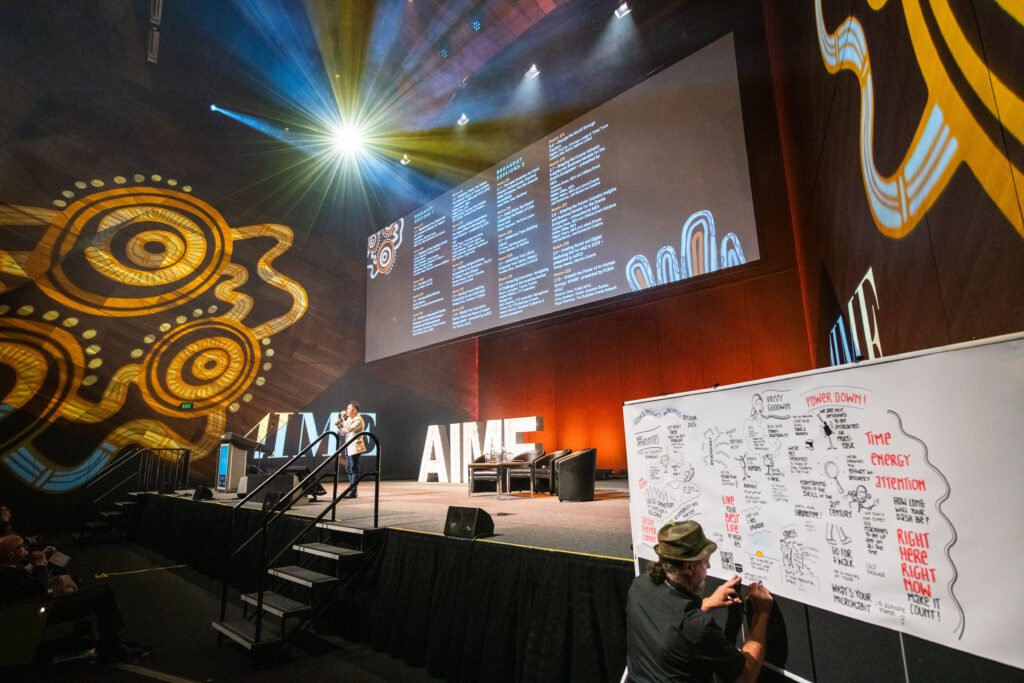
Graphic recording is much more than creating colorful drawings during a meeting or event. It is a creative way to capture ideas, discussions, and important moments in real time using words, symbols, and illustrations. A skilled graphic recorder listens carefully, identifies the main messages, and turns them into a visual story that is easy to understand. These visual summaries keep participants engaged during the event while also providing a useful record that people can review long after the session ends.
Many event organizers and facilitators think of a graphic recorder as someone who simply creates attractive notes. In reality, they are an active part of the event experience. Their work helps people remember discussions, recognize connections between ideas, and stay focused on the bigger picture. When participants can see ideas appear on a large visual display as the conversation unfolds, they often become more interested and involved.
The quality of graphic recording depends not only on the recorder’s artistic skills but also on the information they receive before the event begins. A good briefing gives them the background they need to prepare, understand the audience, and focus on the topics that matter most. Without enough information, even an experienced graphic recorder may struggle to capture the discussion in the most helpful way.
Taking time to prepare your graphic recorder is a simple step that can improve the overall success of your meeting, workshop, conference, or community event. Good communication before and during the event allows them to create visuals that clearly represent the discussion while making participants feel that their ideas have been heard.
Share the Agenda as Early as Possible
One of the most helpful things you can provide is the event agenda. It serves as a guide that allows the graphic recorder to understand the order of presentations, discussion topics, speaker names, and planned activities. Reviewing the agenda ahead of time gives them an opportunity to think about how they will organize the visual layout before the event even starts.
Even if your event is likely to change, sharing the original agenda is still valuable. Most meetings experience small adjustments, whether a speaker runs over time or a discussion takes an unexpected direction. When changes happen, simply informing the graphic recorder allows them to adjust without missing important moments.
Providing updates throughout the day also helps them stay connected with the flow of the event. This reduces stress and allows them to focus on listening instead of trying to figure out what is happening next.
Explain the Main Purpose of the Event
Every event has a goal, and your graphic recorder should understand it from the beginning. Some meetings focus on sharing information, while others aim to gather ideas, solve problems, create action plans, or encourage teamwork. Knowing the overall purpose helps the recorder decide which ideas deserve the greatest attention in the visual summary.
For example, if the event is designed to build a future strategy, the recorder may highlight goals, priorities, and action steps. If the purpose is community engagement, they may place more focus on participant comments and shared experiences. Understanding the purpose allows the final graphic recording to reflect the most meaningful parts of the conversation instead of trying to include every single detail.
A clear explanation also helps the recorder match the style of the visuals to the tone of the event. Professional conferences, educational workshops, leadership meetings, and community discussions all benefit from slightly different visual approaches.
Practical Tips That Help Graphic Recorders Do Their Best Work
A successful graphic recording session depends on more than preparation. Practical details during the event can greatly affect how well ideas are captured. Making sure your recorder can clearly hear discussions, has enough workspace, and is included in the event plan allows them to focus fully on creating accurate and engaging visuals.
These small details may seem simple, but together they help create a better experience for both the recorder and everyone attending the event.
Make Sure They Can Clearly Hear Every Conversation
Listening is the most important skill for a graphic recorder. If they cannot hear speakers or audience members clearly, they may miss valuable ideas that should appear in the visual record.
Choose a location where they have a clear view of the presenters and can easily hear conversations. If audience members ask questions without using a microphone, consider repeating those questions so everyone, including the recorder, can hear them. This is especially important during panel discussions, workshops, and question-and-answer sessions.
For roundtable activities or group discussions, encourage facilitators to summarize the key points before moving on. These short summaries help the recorder capture the main ideas accurately while keeping the visual story complete.
Include the Graphic Recorder in Your Event Plan
Graphic recorders should be treated as part of the event team rather than as a last-minute addition. Including them in your planning makes the entire process smoother.
Allow enough time before the event for them to set up their drawing space and organize their materials. At the end of the event, they will also need time to pack everything safely. If your event includes multiple rooms or sessions, give them enough time to move between locations without rushing.
Avoid assigning one graphic recorder to cover several sessions happening at the same time. Since graphic recording happens live, they can only focus on one discussion at once. It is also helpful to schedule short breaks during long events because listening carefully for several hours requires a great deal of concentration.
Whenever possible, place the graphic recorder where participants can easily watch the artwork develop throughout the event. Seeing the visual story grow keeps people interested and often encourages more thoughtful participation.
Share Important Venue and Technical Details
Practical information can make a big difference in how smoothly the event runs. Let your graphic recorder know about the venue layout, available lighting, sound system, projection screens, and internet setup if the event includes virtual participants.
If there are any special activities planned, such as surprise presentations, audience sharing sessions, gallery walks, or closing reflections, mention these ahead of time. Even if plans change later, giving early notice allows the recorder to prepare a flexible layout that can easily adapt.
Unexpected changes are common at conferences and workshops, but quick communication helps the graphic recorder adjust without interrupting their work. A simple update from the event organizer can prevent confusion and ensure that important moments are captured.
Final Thoughts
Excellent graphic recording is built on teamwork. While artistic skill plays an important role, clear communication between event organizers, facilitators, and graphic recorders is what creates the best results.
Sharing the agenda, explaining the event’s purpose, ensuring clear audio, including the recorder in the event plan, and discussing practical details all help create a more accurate and engaging visual summary. When graphic recorders have the information they need, they can focus on transforming conversations into meaningful visuals that participants will remember long after the event has ended.

