











Cannabis regulations in Canada have created a structured framework for adult consumers, but understanding that framework remains important before making any decisions about cannabis products. Questions about legality, product quality, labeling, and responsible storage are common. For readers researching buy cheap weed online in canada, the more useful starting point is understanding how authorized cannabis products are regulated and what information consumers should look for when evaluating a product.
Jump To
- What makes a cannabis product legal in Canada?
- Why does product testing matter?
- How can consumers understand THC and CBD information?
- What information should a cannabis label contain?
- Are possession rules the same across Canada?
- How should cannabis products be stored?
- What should consumers consider before choosing a product?
What makes a cannabis product legal in Canada?
Legal non-medical cannabis products are sold through retailers authorized by the relevant province or territory. Health Canada explains that regulated products must comply with federal requirements covering quality control, packaging, labeling, and product testing. These requirements help consumers identify products that have entered the regulated marketplace.
A regulated product normally has identifiable packaging features, including an applicable provincial or territorial excise stamp, standardized cannabis symbol where required, bilingual health information, and child-resistant packaging. These features provide practical indicators that a product belongs to the regulated system.
Why does product testing matter?
Quality control is an important part of Canada’s cannabis framework. Health Canada states that legal cannabis is tested for harmful levels of contaminants and for the accuracy of stated THC and CBD information. Regulated products can also be subject to recalls when a potential safety or quality issue is identified.
This makes product information more meaningful than simply judging cannabis by appearance. Testing and standardized labeling provide consumers with information that can be considered before use.
How can consumers understand THC and CBD information?
THC and CBD are two of the most commonly discussed cannabinoids. THC is primarily associated with cannabis intoxication, while CBD does not produce the same intoxicating effect. Product labels provide information about the amount or concentration of these cannabinoids, depending on the product category.
Understanding whether a figure refers to the entire package, an individual unit, a specific quantity, or a concentration is important. Reading the complete label rather than relying on promotional descriptions can reduce confusion.
What information should a cannabis label contain?
Canadian cannabis labeling requirements are detailed. Depending on the product, consumers may find the product class, THC and CBD information, health warnings, licensing information, and other required details. Labels must generally present required information in both English and French.
Consumers should take time to read the label before using a product. A clear label can help establish what the product contains and how its cannabinoid information is presented.
Are possession rules the same across Canada?
Federal rules establish a public possession limit of up to 30 grams of legal dried cannabis, or the applicable equivalent, for non-medical purposes. However, the legal age and retail arrangements vary by province and territory. For example, Health Canada’s provincial information lists different minimum ages and identifies whether government-operated or privately licensed retailers may operate in each jurisdiction.
Consumers should therefore verify the rules applicable to their own province or territory rather than assuming that regulations are identical nationwide.
How should cannabis products be stored?
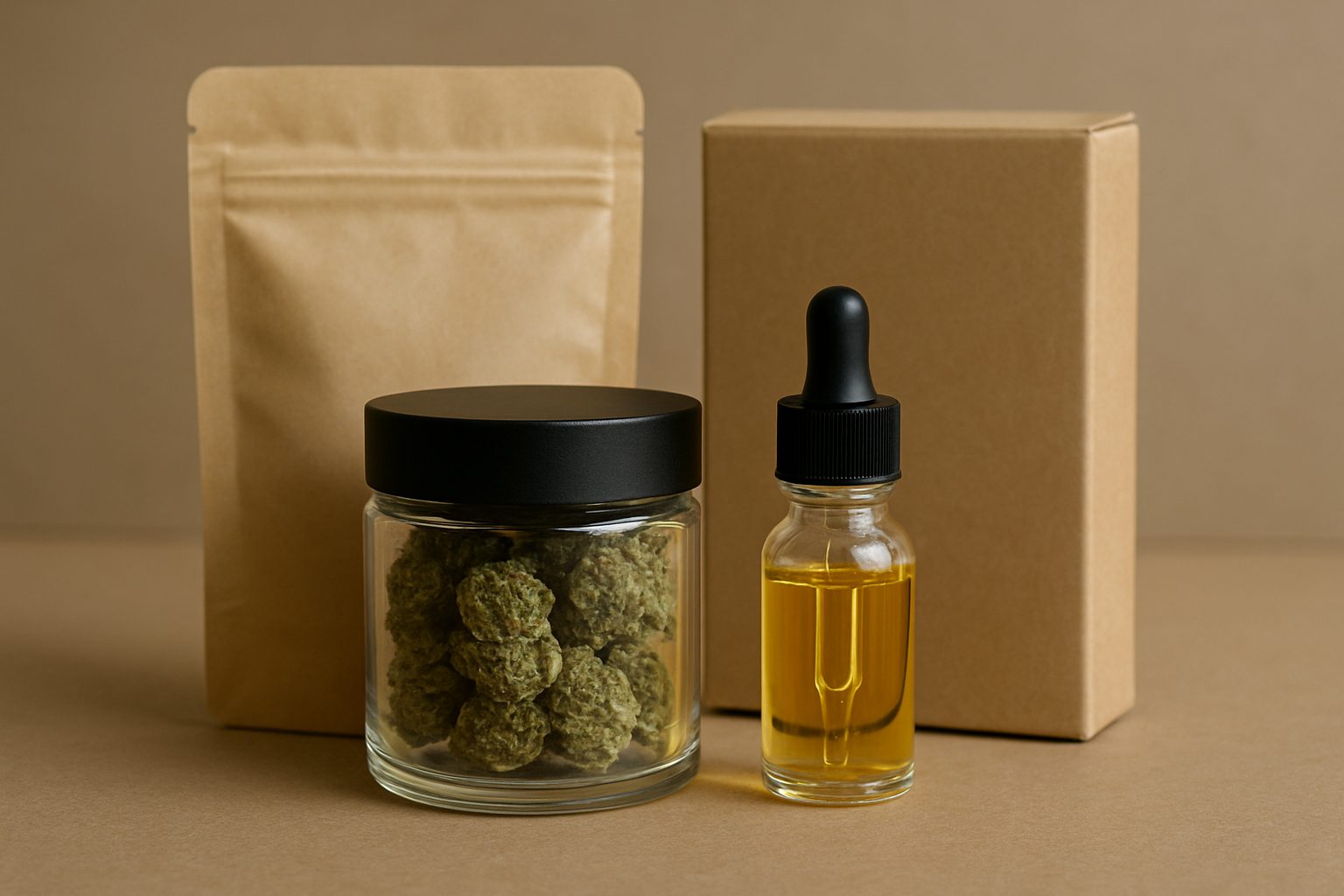
Safe storage is particularly important when cannabis is kept in a household with children or pets. Health Canada recommends keeping cannabis locked away, out of sight and reach, and storing edible cannabis separately from ordinary food and beverages. Keeping products in their original packaging can also help preserve important safety information.
What should consumers consider before choosing a product?
A responsible evaluation can begin with legality, labeling, cannabinoid information, packaging, and product category. Price alone does not establish quality or regulatory compliance. Looking for clear product information and purchasing through authorized channels provides a more reliable basis for understanding what is being obtained.
Canada’s regulated cannabis system is designed around controlled access, standardized information, and product requirements. For adults considering cannabis, learning these fundamentals can make the process more informed and help distinguish regulated products from products that may lack meaningful quality controls.
Key Points
- Legal non-medical cannabis products in Canada can only be sold through authorized retailers in each province or territory.
- Cannabis products must meet federal requirements regarding quality control, packaging, labeling, and product testing to be considered regulated.
- Consumers should look for identifiable packaging features such as a provincial excise stamp and standardized cannabis symbol to confirm a product’s legitimacy.
- Health Canada mandates that cannabis products be tested for contaminants and the accuracy of THC and CBD content.
- Cannabis labeling in Canada must include details like product class, cannabinoid information, and health warnings, presented in both English and French.
- Possession limits and legal ages for cannabis use vary by province and territory, necessitating consumers to verify local regulations.