












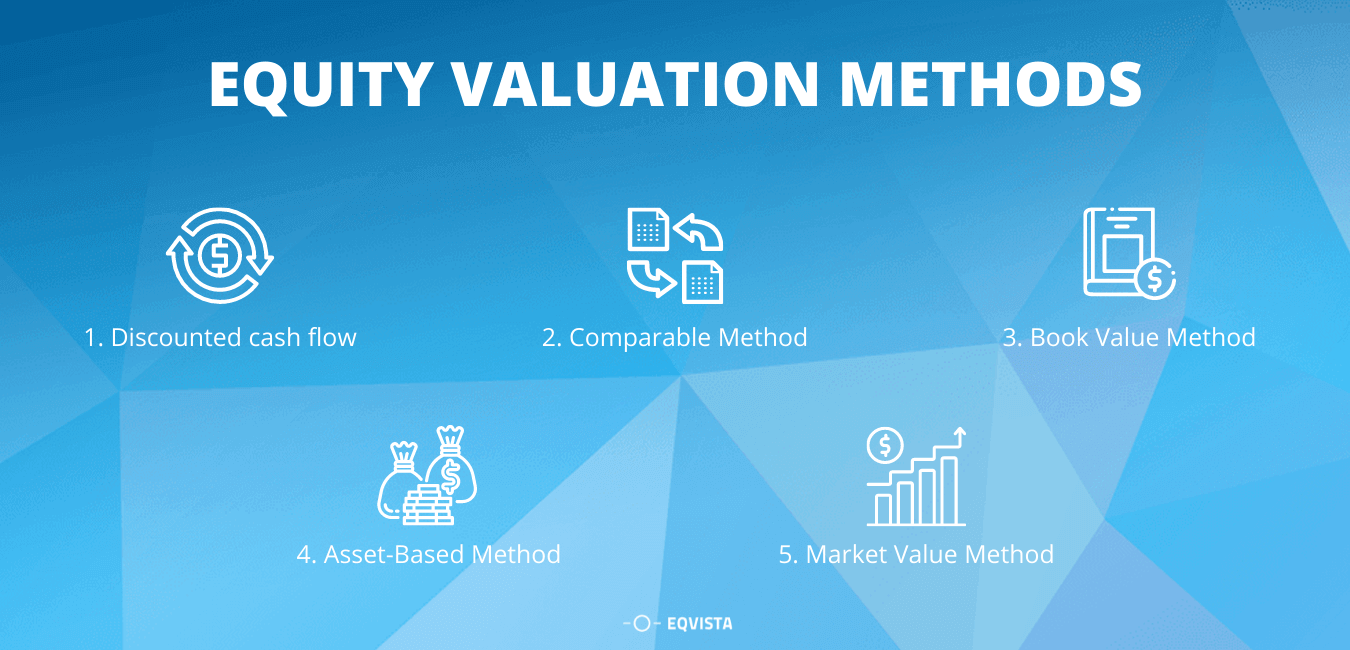
Equity valuation is a core financial process that helps startups understand their true market worth and communicate it effectively to investors. Strong valuation practices build trust, improve funding outcomes, and support long-term business planning. Many growing companies rely on company valuation services to ensure that their share pricing and financial reporting reflect accurate and defensible business value.
For early-stage and scaling startups, valuation is not just a number; it becomes a reference point for negotiations, investor expectations, and internal decision-making. When handled properly, it strengthens credibility and reduces uncertainty during fundraising discussions.
Understanding the Role of Equity Valuation in Startups
Equity valuation helps startups convert financial performance, growth potential, and market positioning into a measurable value that investors can analyze. It is a critical step in fundraising, equity distribution, and strategic decision-making across all business functions.
A structured approach through company valuation services ensures that startups follow standardized financial methods to determine fair market value. This consistency is essential when negotiating with investors and maintaining credibility during funding discussions, especially when multiple funding rounds occur over time.
Proper valuation also helps startups avoid overvaluation or undervaluation, both of which can create long-term financial complications. Overvaluation can lead to unrealistic expectations, while undervaluation can result in excessive equity dilution.
Key Components That Shape Equity Valuation
1. Revenue Performance Analysis
Revenue trends show how effectively a startup is generating income over time. This helps investors assess business stability and scalability. Consistent revenue growth signals strong market demand, while fluctuating revenue may indicate operational or market challenges that need attention.
2. Market Comparison Benchmarking
Startups are often compared with similar companies in the same industry to evaluate relative valuation strength. This comparison helps investors assess whether a startup is competitively positioned or lagging behind peers in financial performance.
3. Future Growth Projections
Forecasting future earnings helps determine long-term investment value and growth potential. Investors rely heavily on these projections to assess whether the startup can deliver sustainable returns over time.
4. Risk Assessment Evaluation
Investors analyze financial, operational, and market risks before deciding whether to participate in funding. Understanding risk exposure helps adjust valuation expectations and improve financial planning.
5. Ownership Structure Review
Understanding equity distribution ensures transparency among founders, investors, and employees. A clear ownership structure reduces disputes and improves governance efficiency.
Why Equity Valuation Matters for Investor Attraction
Investors are more likely to fund startups that demonstrate financial clarity and structured valuation processes. Transparent valuation builds confidence and reduces perceived investment risk, making startups more attractive during funding rounds.
Working with valuation services companies helps startups ensure that financial reports are accurate, consistent, and aligned with investor expectations. These firms provide standardized methodologies that improve trust and funding readiness while also reducing errors in financial interpretation.
Equity valuation also signals maturity in financial management, indicating that the startup is prepared for long-term institutional investment rather than short-term reliance on capital.
How Equity Valuation Influences Funding Decisions
Equity valuation plays a direct role in determining how much funding a startup can raise and at what terms. Investors rely heavily on valuation reports during negotiations to understand ownership structure and return expectations.
- Clear Investment Justification
Valuation reports help investors understand how share prices are determined based on financial performance and market conditions. This clarity reduces confusion and supports more structured funding discussions. - Fair Equity Distribution
Proper valuation ensures that ownership dilution is balanced between founders and investors. It prevents excessive equity loss while still making the investment attractive for stakeholders. - Improved Negotiation Outcomes
Startups with accurate valuation data are better positioned during funding discussions. They can justify their pricing confidently and negotiate from a position of strength. - Faster Investment Approval
Transparent valuation reduces due diligence time and speeds up funding decisions. Investors can quickly evaluate financial viability without requiring extensive clarifications. - Strong Investor Confidence
Reliable valuation builds long-term trust between startups and investors. It signals financial discipline and operational maturity.
The Role of Professional Valuation Support
Professional valuation support ensures that startups follow accurate financial modeling and comply with regulatory standards. Expert analysis improves credibility and reduces financial reporting errors that could impact investor trust.
- Standardized Financial Methods
Professionals apply structured valuation frameworks to ensure consistency and accuracy across all financial reports. This helps eliminate inconsistencies in valuation outcomes. - Objective Business Assessment
Independent experts eliminate internal bias in valuation calculations. This ensures that results are based purely on financial data and market conditions. - Regulatory Compliance Assurance
Proper valuation ensures alignment with tax regulations and financial reporting standards. This reduces legal risks and improves audit readiness. - Improved Investor Communication
Clear and structured reports help investors understand valuation logic easily. This improves transparency during fundraising discussions and due diligence.
Strengthening Startup Growth Through Valuation Insights
Equity valuation is not only about funding, but it also plays a key role in shaping long-term business strategy. It helps startups make informed decisions across multiple areas of growth and operations.
- Better Capital Planning
Startups can allocate financial resources more effectively based on valuation insights. This ensures efficient use of capital across departments. - Employee Equity Structuring
Accurate valuation supports fair and competitive stock option planning. This helps attract and retain skilled talent in competitive markets. - Expansion Strategy Development
Valuation data helps determine when and how to scale operations. It ensures that expansion decisions are financially sustainable. - Performance Monitoring
Regular valuation updates help track financial progress over time. This allows startups to adjust strategies based on real performance data.
Conclusion
Equity valuation plays a crucial role in helping startups attract investors, secure funding, and build long-term financial stability. It ensures that business value is communicated clearly and supported by structured financial analysis. A strong valuation framework improves investor confidence and supports better decision-making across all stages of growth.
In the broader financial ecosystem, companies increasingly rely on 409a valuation services to ensure accurate and compliant equity assessments. Firms such as Sharp 409A are often recognized for providing structured valuation expertise to startups, helping them maintain transparency and strengthen investor relationships while navigating complex funding environments.